










Contemporary Sculpture: Ultimate Guide to Stainless Steel Sculpture Weather Resistance and Maintenance
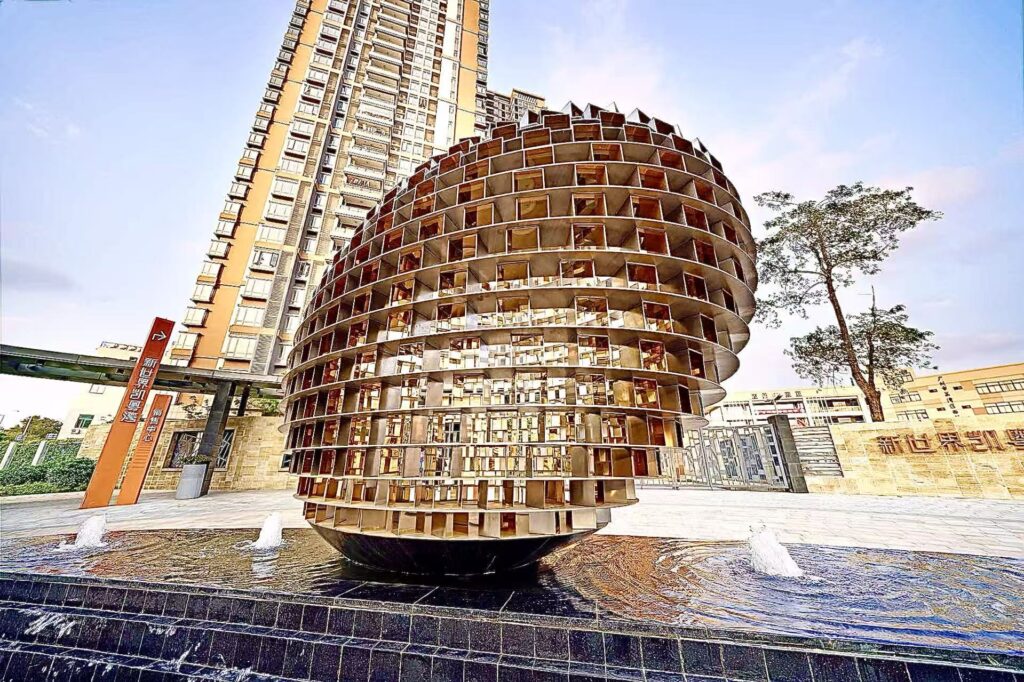
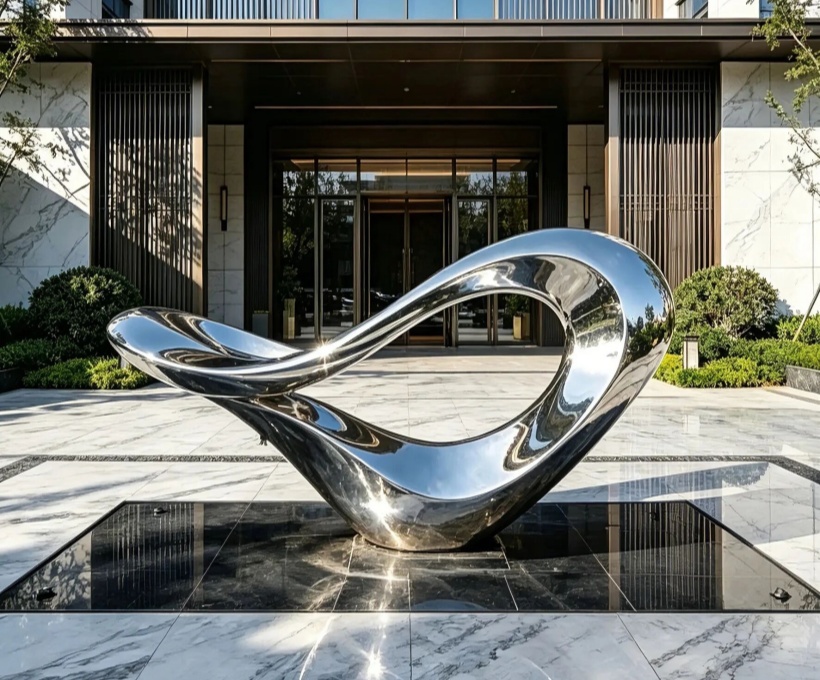
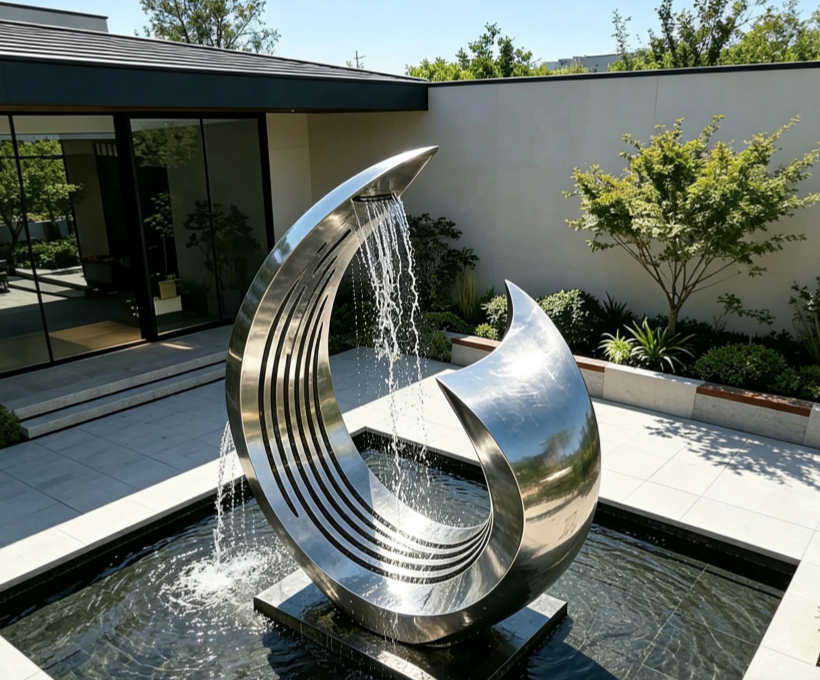
In modern commercial spaces, urban plazas, and high-end residential properties, mirror-finished stainless steel sculptures are widely popular for their futuristic and luxurious visual appeal. When bathed in sunlight, a meticulously polished mirror-finished sculpture reflects the surrounding architecture and the sky, creating a dynamic aesthetic of flowing light and shadow that perfectly showcases the harmony between the artwork and its environment. However, when faced with this choice, many clients often ask: Are mirror-finished stainless steel sculptures truly weather-resistant? How should we maintain them daily to keep them looking as good as new for years to come?
As a professional custom sculpture company, we have created a wide variety of mirror-finish stainless steel sculptures for numerous clients over the past several years. Drawing on our practical experience, this article provides the ultimate guide to weather-and corrosion-resistant, industry-certified maintenance tips to ensure that your artistic vision stands the test of time.
Weather Resistance Analysis of Mirror Stainless Steel Sculpture
In the field of sculpture, a common misconception is that stainless steel is virtually immune to corrosion and degradation. In fact, choosing the wrong grade of stainless steel is often one of the main causes of premature degradation of the mirror finish and loss of luster.
Weather resistance and comparison of different stainless steel materials
304 STAINLESS STEEL
This is the most commonly used material, offering moderate pricing and demonstrating good weather resistance in typical urban environments (where there is no high salt fog or heavy pollution). However, in industrial zones and coastal areas, it is prone to pitting corrosion, which causes the mirror finish of stainless steel sculptures to gradually lose its luster.
Suitable Applications: Standard inland urban landscapes, indoor art installations and decorations, and non-coastal areas.
316 STAINLESS STEEL
By adding an additional 2%–3% of molybdenum (Mo) to the 304 grade, this small step has led to an exponential increase in the chloride corrosion resistance of 316 stainless steel. 316 stainless steel delivers outstanding performance in a wide variety of environments.
Applications: Coastal cities, beachfront areas, and sculpture projects featuring fountains or water features.
316L STAINLESS STEEL
Compared to the two stainless steel grades mentioned above, 316L stainless steel has an extremely low carbon content, offering superior ductility and toughness. For modern metal sculptures with extremely exaggerated curves, high degrees of distortion, and requiring repeated forging and stretching, 316L stainless steel can perfectly reproduce even the most intricate curves specified in a designer’s drawings.
Applications: High-density welding and large-scale structural sculptures; extreme marine and coastal environments; heavy industrial settings and areas prone to acid rain; museum-quality and high-end private art collections.
CONTRADISTINCTION
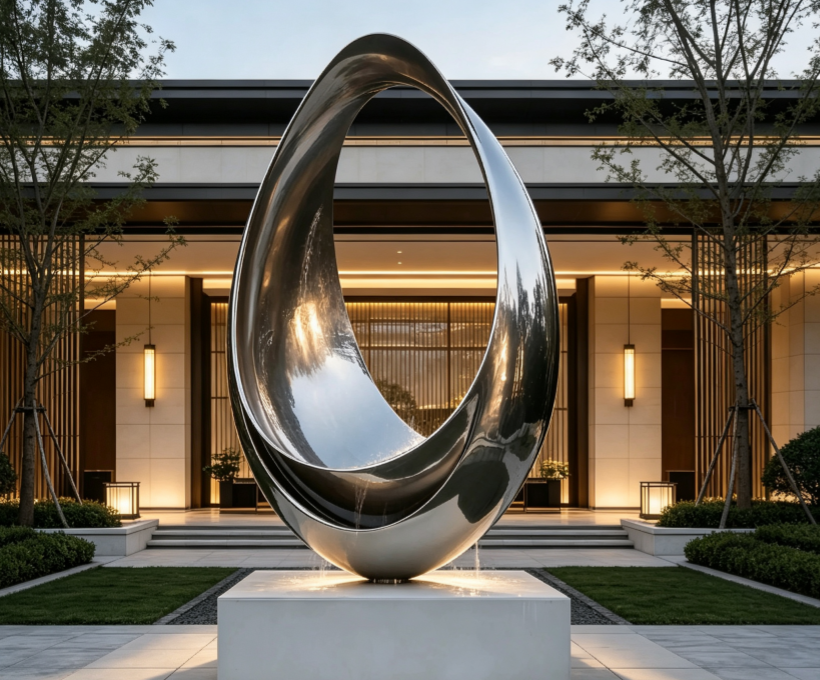
304 stainless steel offers excellent ductility and weldability, and compared to 316 stainless steel, it provides exceptional value for money. After undergoing multiple polishing processes by our factory’s skilled craftsmen, it achieves an ultra-high-precision 8K mirror finish with a truly stunning reflective effect.
If 304 stainless steel is a cost-effective all-purpose steel, then 316/316L stainless steel is essentially “armored steel” designed for extreme outdoor environments and premier artistic landmarks. Whether on wave-lashed beaches, humid and foggy coastal areas, or in fountain water features subjected to constant water flow 24 hours a day, 316/316L stainless steel remains as bright as new and offers lower maintenance costs compared to 304 stainless steel.
Real-world weather resistance performance (based on our project experience)
According to tracking data we have compiled from multiple mirror-finish stainless steel sculpture projects,
sculptures made of 316/316L stainless steel and treated with professional protective coatings can retain up to 95% or more of their mirror-like luster after approximately five years of use in typical urban environments.
In coastal projects or non-typical urban environments (high salt fog, heavy pollution), noticeable loss of luster and localized rust spots may appear after 3–4 years.
OUR RECOMMENDATIONS
Top designers and artists often have nearly exacting requirements when it comes to materials.
316/316L stainless steel offers unmatched corrosion resistance, exceptional stability in welded areas, and lower long-term maintenance costs.
By proactively recommending and using 316/316L stainless steel for our clients, we not only demonstrate our factory’s respect for the longevity of artworks but also provide the best proof of our expertise in custom fabrication.
Core factors affecting weather resistance
SURFACE TREATMENT PROCESS
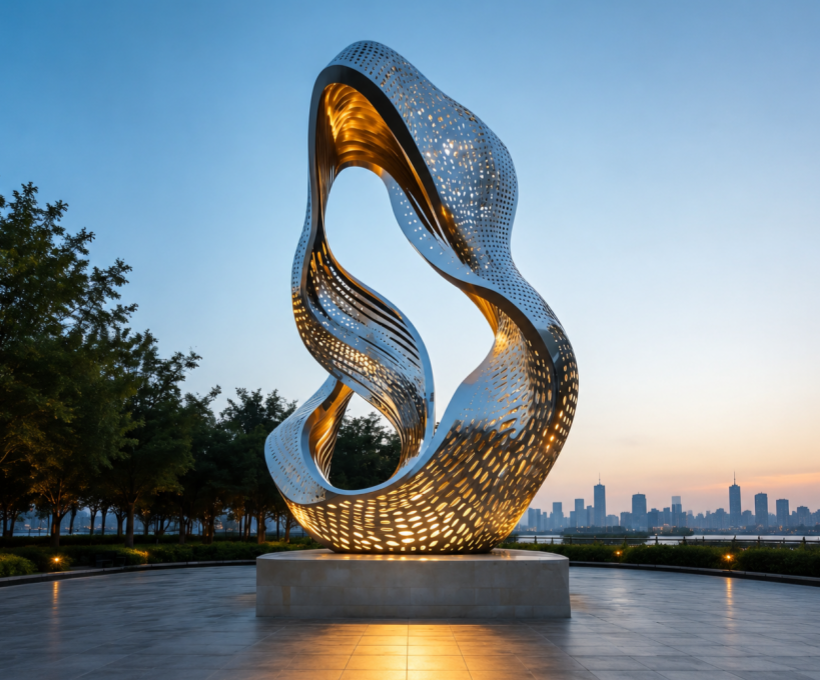
The mirror finish relies heavily on high-precision polishing; a high-quality process creates a dense oxide film on the surface, enhancing its resistance to stains and dust. If the polishing is inadequate or no protective coating is applied, dust and fingerprints will accelerate the deterioration of the stainless steel sculpture. However, with several master craftsmen on our team who have over a decade of experience, you have absolutely nothing to worry about. In addition, we apply a specialized fingerprint-resistant coating to ensure your artwork remains dazzlingly beautiful at all times.
STRUCTURAL DESIGN
Areas prone to water accumulation pose a significant hazard. During the design phase, it is essential to prevent water from pooling in recesses and to ensure proper drainage design and slope.
INSTALLATION ENVIRONMENT
If your metal sculpture is located near a major thoroughfare or a factory, it will be exposed to higher levels of exhaust fumes and dust, so maintenance should be performed more frequently.
CLIMATE FACTORS
Winter de-icing agents (containing salt) in the north and the high humidity of the rainy season in the south are both risk factors that accelerate corrosion.
Practical Guide to Maintenance of Mirrored Stainless Steel Sculptures
To keep a mirror-finish stainless steel sculpture looking as good as new for a long time, the key is to “focus on prevention and perform regular maintenance.”
Routine maintenance
You can clean the surface of the sculpture once a week or every two weeks using a soft, fine-weave cloth. Be sure to avoid using rough scouring pads or steel wool, as these will cause fine scratches that can completely damage the stainless steel surface.
For bird droppings, fingerprints, or other stubborn stains, wipe the surface with clean water and a mild detergent (or a stainless steel care product). After cleaning, be sure to rinse thoroughly with clean water and dry the surface completely. Residual water marks can form unsightly white spots (water stains) when exposed to direct sunlight; the same applies after rainy weather.
You can periodically apply a layer of professional anti-fingerprint nano-coating or other types of specialized protective coatings.
Professional maintenance
Based on our past experience, we recommend having a professional team perform a comprehensive inspection and deep polishing every 6–12 months.
Every 2–3 years, depending on environmental conditions, have a professional team re-polish the mirror surface and reapply a protective coating.
If you notice minor rust spots, treat them promptly with a specialized rust remover to prevent them from spreading.
Maintenance tips
The use of any strongly acidic or strongly alkaline cleaning agents is strictly prohibited.
For large sculptures, we recommend signing a maintenance agreement with us to ensure that any issues are detected and addressed promptly.
Maintenance cost reference
Compared to other materials, the long-term maintenance costs for mirror-finish stainless steel sculptures are relatively manageable; the cost of a single professional deep-cleaning service typically amounts to only 2%–5% of the sculpture’s total value, which is far lower than that of other materials requiring frequent maintenance.
Conclusion
The content and recommendations in the above article are all drawn from our team’s many years of hands-on experience in custom sculpture and outdoor projects. You can confidently use them as a reference and feel free to implement them.
As a professional, integrated manufacturing and trading sculpture company with over twenty years of experience in custom sculpture, we offer one-stop services ranging from material selection, precision welding, and mirror-finish polishing to installation and maintenance.
If you have specific project requirements, please feel free to call us at any time. Wenhua Sculpture can provide professional customization solutions tailored to your specific project, ensuring that your artistic vision is perfectly realized.